Get a 3D scan
Get an instant price and order your scan today.


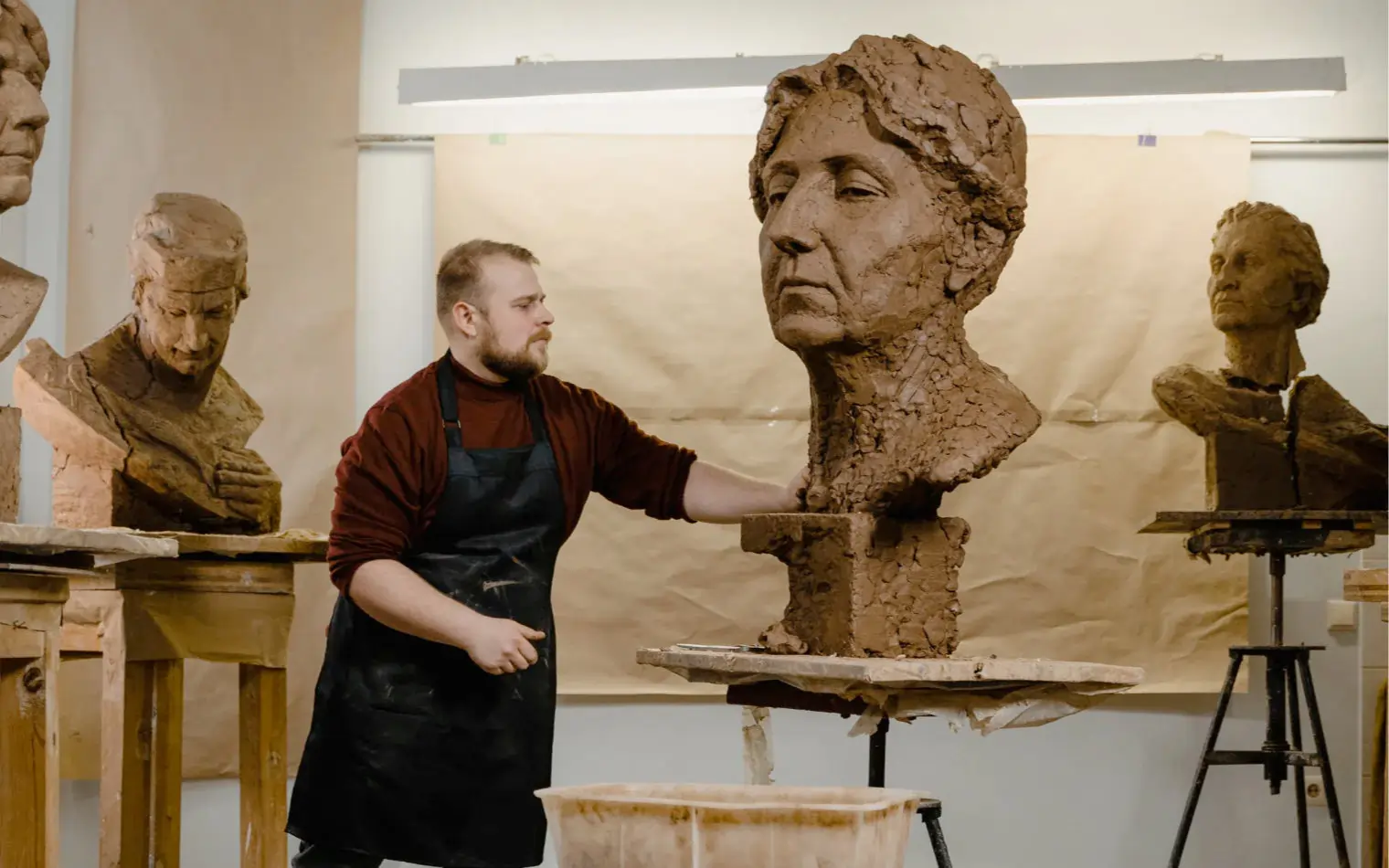
Sculpture, a lasting form of artistic expression, has inspired human creativity for centuries. The skill of shaping life from stone, clay, or metal has developed through countless generations. With the rise of modern technology, this art form has entered new realms through 3D scanning, a technique that precisely preserves the character and detail of these remarkable works.
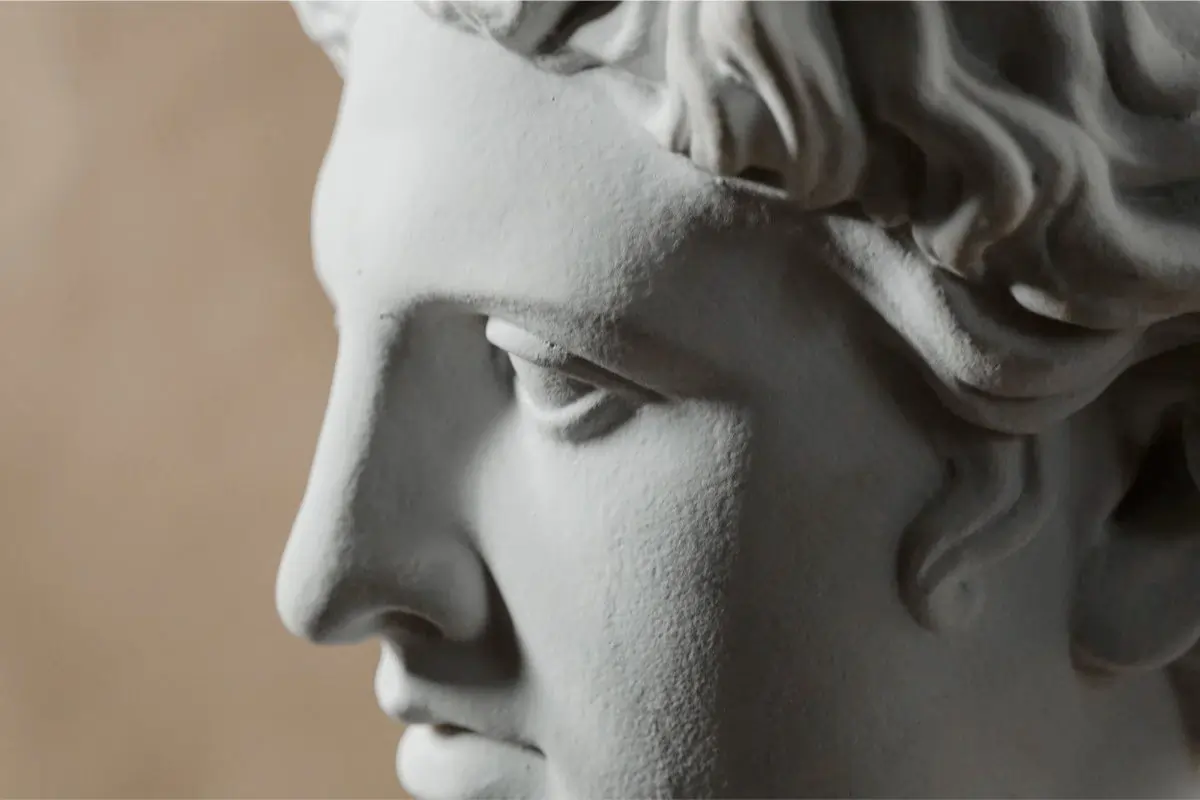
At its essence, 3D scanning involves capturing a physical object and converting it into digital form. Using lasers or structured light, this technology maps the surface of an object, recording even the finest textures and features. The outcome is a highly precise 3D model that replicates the original sculpture with remarkable accuracy.
The process begins with the careful arrangement of the equipment. Precision is crucial, as positioning the scanner and sculpture at the correct angles ensures the best possible results. The scanner projects a laser that sweeps across the sculpture’s surface, measuring both the time and angle at which the light returns. These readings are combined to generate a collection of 3D coordinates that define the sculpture’s form, known as a point cloud.
The raw point cloud data is then refined using specialised software, which connects the individual points to form a complete 3D model. This model, often called a mesh, resembles a digital wireframe sculpture, capturing every curve and contour. The level of detail achieved is extraordinary, faithfully reproducing even the most intricate features of the original piece.
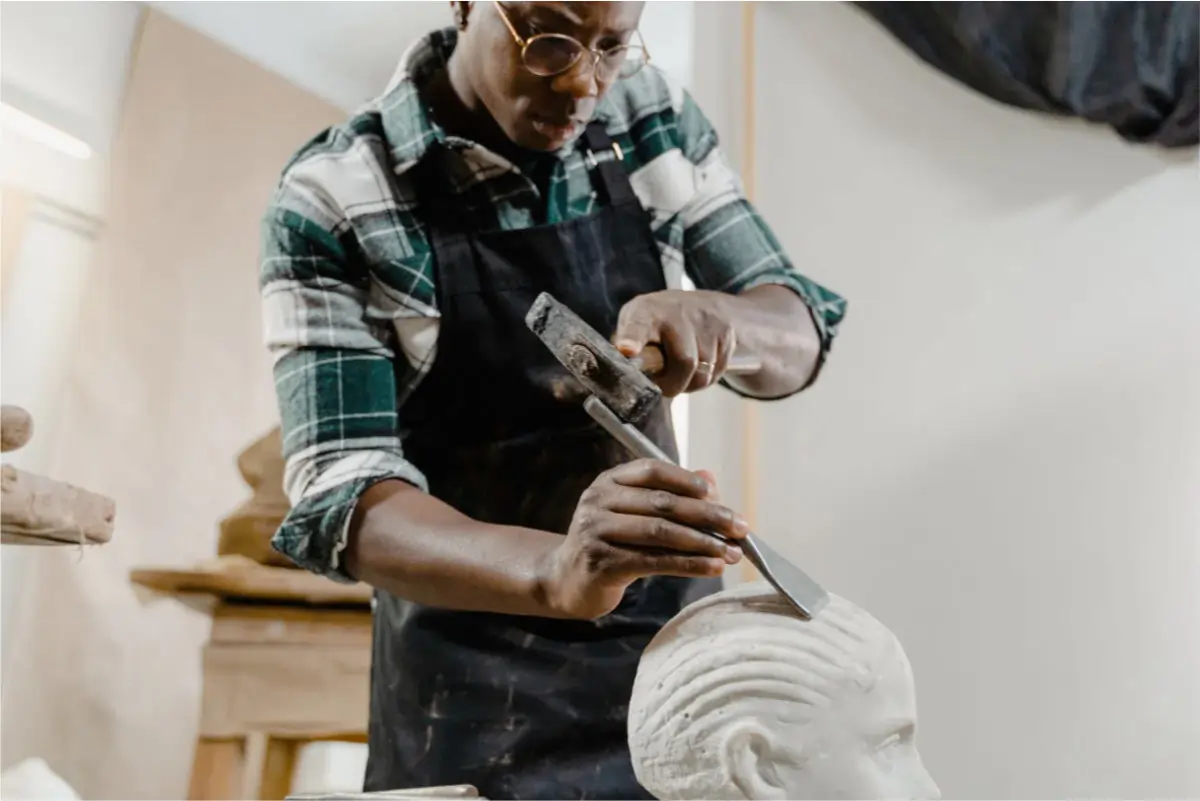
One of the most impressive aspects of 3D scanning is its ability to capture details that may be invisible to the naked eye. Every mark, imperfection, and texture is faithfully represented in the digital model. This exceptional level of precision is invaluable for conservation and restoration, allowing experts to examine sculptures without endangering the originals—wherever they may be in the world.
The uses of 3D scanning extend far beyond simple reproduction. Museums and galleries employ digital models to create interactive displays, giving visitors the opportunity to explore sculptures virtually. Artists and researchers also benefit, as these models provide insight into a sculptor’s techniques and creative approach.
Portable, handheld scanners have further expanded the possibilities, enabling art professionals to capture sculptures directly on-site or in outdoor settings. This flexibility has transformed how artworks of all scales and environments can be recorded and studied.
In a world where time can erode even the most resilient of sculptures, 3D scanning stands as a beacon of preservation. By creating digital replicas of these masterpieces, we ensure that their beauty and historical significance endure through the ages.
3D scanning has dramatically changed the art of sculpture. Its ability to capture the form and texture has opened new avenues for research, appreciation, and preservation.
As technology continues to advance, we can only imagine the even greater feats that await at the intersection of art and technical innovation.